
Reverse Mortgage Explained: The 2026 Guide for Homeowners and Heirs
A brutally honest reverse mortgage explained guide. Learn how the 2026 limits work, the risks of foreclosure, and exactly what happens to your heirs.
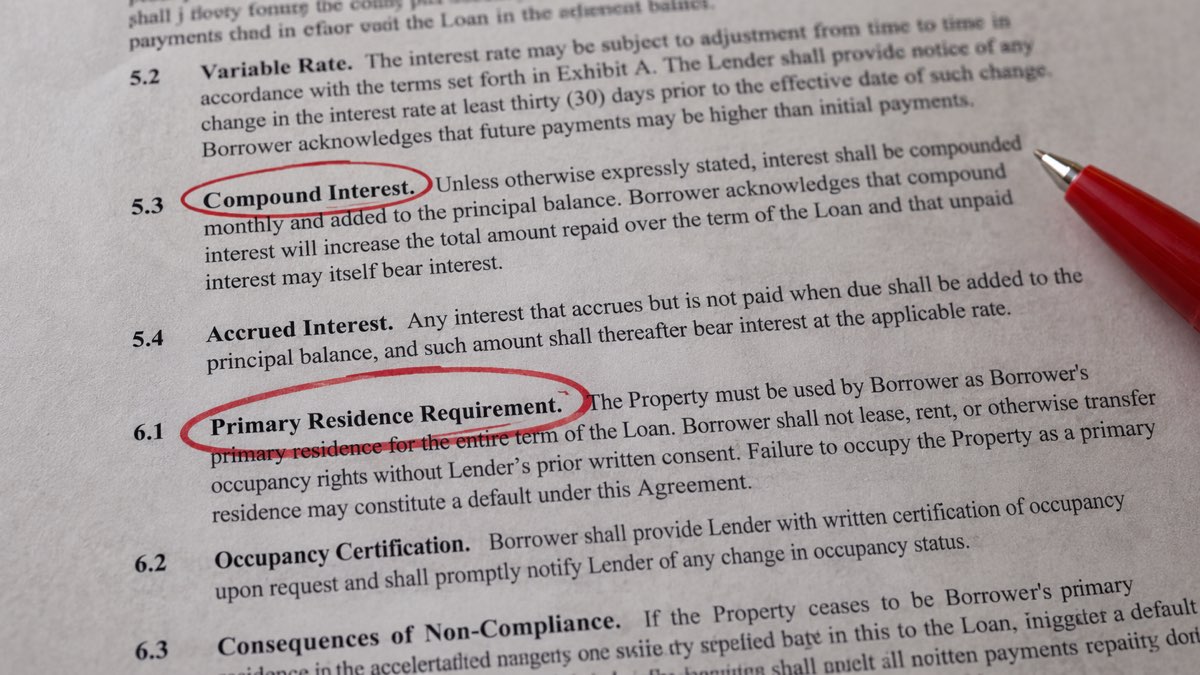
The pitch sounds almost too good to be true: stay in your home, stop making a mortgage payment, and get a check every month instead. No wonder reverse mortgages get sold as a magic fix for a thin retirement. What the commercials skip is the fine print — the fees, the growing balance, and the specific conditions under which the lender can force a sale. This is the version of that pitch with the fine print left in.
TL;DR
- A reverse mortgage lets homeowners 62+ borrow against their equity with no monthly payment, but interest and fees compound against you every month.
- The 2026 HECM limit is $1,209,750 — but your actual loan amount depends on your age, interest rate, and home value.
- The loan comes due, in full, when you die, sell, or move out for more than 12 consecutive months — including a stay in assisted living.
- Heirs don’t inherit the debt, but they typically have as little as 6 months (extendable) to repay or sell before the lender starts foreclosure.
- Read the loan estimate and closing documents through SmartSummaries before you sign — it flags the clauses below in plain English.
What a Reverse Mortgage Actually Is
A reverse mortgage is a loan against your home equity that pays you, instead of the other way around. You keep the title. You keep living there. Instead of sending the bank a check every month, the bank sends you one — as a lump sum, a line of credit, monthly payments, or some mix of the three.
The most common version by far is the Home Equity Conversion Mortgage (HECM), insured by the Federal Housing Administration (FHA) and available only through FHA-approved lenders. There are also smaller proprietary reverse mortgages (“jumbo” reverse mortgages) for homes worth more than the HECM limit, offered directly by private lenders with no FHA insurance and looser federal protections.
To qualify for a HECM in 2026, you generally need to:
- Be 62 or older (all borrowers on the title, in most cases)
- Own the home outright or have significant equity — typically 50%+
- Live in it as your primary residence
- Keep up with property taxes, homeowners insurance, and basic maintenance
- Complete HUD-approved reverse mortgage counseling before you can even apply
That last requirement isn’t a formality. It exists because the industry has a long history of aggressive sales tactics aimed at retirees, and regulators wanted an independent voice in the room before anyone signs.
How the Loan Balance Actually Grows
This is the part the brochures gloss over: a reverse mortgage doesn’t shrink over time like a normal mortgage. It grows.
Every month, interest accrues on your outstanding balance — including the origination fee, closing costs, and any mortgage insurance premiums that got rolled into the loan at closing. Since you’re not making payments, that interest doesn’t get paid off. It gets added to the balance, and next month you pay interest on the interest too.
| Year | Rough balance on $200,000 borrowed (6% average rate) |
|---|---|
| 1 | $212,000 |
| 5 | $267,000 |
| 10 | $358,000 |
| 15 | $479,000 |
| 20 | $642,000 |
Those numbers are illustrative, not a quote — your actual rate, fees, and draw schedule change the math. But the shape never changes: the longer you hold a reverse mortgage, the more of your equity it quietly eats. If you plan to stay 20+ years, model the full-term balance before you sign, not just the check you get this year.
The 2026 Lending Limits and What They Mean for You
The FHA raises the HECM lending limit most years to track home price growth. For 2026, the maximum claim amount is $1,209,750 — this is the ceiling on the home value the loan calculation can use, not the amount of cash you’ll receive.
Your actual principal limit — the maximum you can actually borrow — depends on three things:
- Your age (or your youngest co-borrower’s age). Older borrowers can draw a larger percentage of their home’s value, because the lender is insuring a shorter expected loan term.
- Current expected interest rates. Higher rates shrink your principal limit, because the loan is expected to grow faster.
- Your home’s appraised value, capped at the $1,209,750 limit.
In practice, most borrowers can access somewhere between 40% and 60% of their home’s value, and that percentage rises with age. A 62-year-old and an 82-year-old with an identical home value will qualify for meaningfully different loan amounts — the 82-year-old gets more, because the loan has less time to compound before it’s expected to come due.
If your home is worth more than the FHA limit, a HECM only lets you borrow against $1,209,750 of it — the rest of your equity is untouched by the loan, but also unavailable through the HECM program. That’s usually the point where borrowers with high-value homes look at a proprietary jumbo reverse mortgage instead, with a different fee and rate structure.
When the Loan Comes Due — the Part That Surprises Everyone
A reverse mortgage isn’t due monthly, but it isn’t due never either. The full balance becomes due and payable when any of the following happens:
- The last surviving borrower dies.
- The home is sold or the title transfers.
- The borrower moves out permanently — defined by HUD as being away from the home for more than 12 consecutive months, even for a medically necessary reason like a nursing home or rehab stay.
- The borrower fails to pay property taxes or homeowners insurance, or lets the home fall into serious disrepair.
- The home is no longer the borrower’s principal residence for any other reason.
That 12-month rule is the one that catches families off guard most often. A parent who has a stroke and moves into assisted living isn’t “safe” just because the mortgage doesn’t require a monthly payment — after a year away, the lender can call the loan due even though no one sold anything and no one died. Read that clause in your specific loan documents; it’s usually titled something like “Maturity Events” or “Grounds for Acceleration,” and it’s worth flagging before you sign, not after a family emergency forces the issue.
What Actually Happens to Your Heirs
This is the single most Googled reverse-mortgage question, and the honest answer is more nuanced than either “they lose the house” or “nothing happens.”
Because a HECM is a non-recourse loan, your heirs are never personally on the hook for more than the home is worth. If the loan balance has grown to $400,000 but the house only sells for $350,000, the FHA’s mortgage insurance covers the $50,000 gap — the estate and heirs don’t owe the difference. That protection is real and it’s federally backed for HECMs specifically (proprietary jumbo loans may or may not include it — check the contract).
What heirs do need to manage is a deadline. When the borrower dies, the loan servicer typically must be notified, and the estate generally gets an initial 6 months to decide what to do, with the ability to request up to two 90-day extensions (up to 12 months total) if they’re actively trying to sell or arrange financing. Heirs have three realistic paths:
- Sell the home and use the proceeds to pay off the loan balance, keeping whatever equity is left over.
- Refinance the balance into a traditional mortgage in their own name and keep the house.
- Walk away and let the lender foreclose — since it’s non-recourse, this doesn’t touch the heirs’ personal credit or other assets, but it does mean losing the home and any remaining equity.
The version families rarely plan for: if no one responds to the servicer’s notices at all, the lender proceeds to foreclosure on its own timeline. Miscommunication, not malice, is usually the cause — the notice goes to an old address, or siblings assume someone else is handling it. If a parent has a reverse mortgage, put the loan servicer’s contact information somewhere the whole family can find it, and know the 6-month clock starts the moment the servicer is notified of the death.
The Fees That Eat Into Your Equity Before You Get a Dollar
Reverse mortgages are expensive to originate, and nearly all of that cost gets rolled into the loan rather than paid out of pocket — which feels painless at closing and costly over the life of the loan, because you’re now paying interest on your own fees.
| Cost | Typical range |
|---|---|
| Origination fee | Up to $6,000 (capped by FHA formula) |
| Upfront mortgage insurance premium (MIP) | 2% of the home’s appraised value or lending limit, whichever is less |
| Ongoing annual MIP | 0.5% of the outstanding balance, per year |
| Appraisal, title, and closing costs | $1,500–$3,500, similar to a traditional mortgage |
| Servicing fees | $0–$35/month, depending on lender |
That upfront MIP alone — 2% on a $400,000 home is $8,000 — is the line item most borrowers don’t see coming, because “no monthly payment” gets all the marketing attention and “2% insurance premium at closing” doesn’t.
Red Flags to Watch For Before You Sign
- A lender who discourages HUD counseling or rushes you through it. Counseling is mandatory precisely because this product has a history of being sold hard to people who didn’t fully understand it.
- Pressure to use the reverse mortgage to buy an annuity, insurance product, or investment from the same salesperson. This is a well-documented scam pattern and a violation of FHA rules for HECM originators.
- Vague answers about the “maturity events” — if a loan officer can’t clearly explain what triggers repayment, don’t sign until someone can.
- A proprietary (non-HECM) loan pitched without mentioning it’s not federally insured — ask directly whether the loan is FHA-insured, and get the answer in writing.
- Any clause requiring a non-borrowing spouse to move out if the borrowing spouse dies first. Federal rules now protect eligible non-borrowing spouses from displacement, but only if they were properly disclosed and met eligibility conditions at closing — this is worth confirming in writing, not assuming.
Reverse mortgage disclosures and closing packets run 40+ pages of exactly this kind of language, spread across the loan estimate, the HECM counseling certificate, and the closing disclosure. If you or a parent is staring at that stack, running it through SmartSummaries will pull out the maturity triggers, fee schedule, and non-borrowing-spouse language into plain English before anyone signs.
Frequently Asked Questions
Is a reverse mortgage a good idea? It depends entirely on how long you plan to stay in the home and what other assets you have. It can make sense for someone who is house-rich, cash-poor, plans to stay put long-term, and has no intention of leaving the home to heirs. It’s a poor fit for anyone who might move within a few years, since the fees are front-loaded and take time to “pay off” in flexibility gained.
What is the 2026 reverse mortgage limit? The FHA’s HECM lending limit for 2026 is $1,209,750. This caps the home value used in the loan calculation — your actual borrowing amount will typically be well below that, based on your age and current rates.
Do you still own your home with a reverse mortgage? Yes. You keep the title and remain the legal owner. The lender places a lien against the home, the same as with any mortgage, but ownership doesn’t transfer unless you default on your obligations (taxes, insurance, occupancy) or the loan becomes due and isn’t repaid.
Can you lose your house with a reverse mortgage? Yes, if you fail to pay property taxes or homeowners insurance, fail to maintain the home, or move out for more than 12 consecutive months. This is the most common way reverse mortgage foreclosures happen — not because the borrower missed a mortgage payment, since there isn’t one, but because of a lapsed tax or insurance bill.
What happens to a reverse mortgage when the owner dies? The loan becomes due and payable. Heirs typically get about 6 months (extendable up to 12) to sell the home, refinance it into their own name, or let the lender foreclose. Because HECMs are non-recourse loans, heirs never owe more than the home is worth.
Are reverse mortgage fees negotiable? Some are. Origination fees and servicing fees vary by lender and can be shopped around; the upfront and annual mortgage insurance premiums are set by the FHA and are not negotiable. Getting loan estimates from more than one HECM lender is the only real way to reduce total cost.
Before You or a Parent Signs
A reverse mortgage isn’t a scam, but it’s not free money either — it’s a loan, with real interest, real fees, and a real deadline that eventually arrives for someone. The product works fine for the specific situation it was built for: an older homeowner staying put for the long haul who wants monthly cash flow without selling. It works badly for almost everyone else.
Before signing anything, get the HUD counseling session, get quotes from more than one lender, and read the actual maturity and fee clauses rather than the brochure. Paste the closing disclosure into SmartSummaries for a plain-English breakdown of exactly what triggers repayment and what it will cost you.
Read next:
- Freelance Contract Red Flags: What to Catch Before You Sign
- Try Smart Summaries on your next contract
| *Last updated: September 2026 | 11-minute read* |
This is general information, not legal or financial advice. Reverse mortgage terms vary by lender and state — have a HUD-approved counselor and, for high-value homes, an estate attorney review your specific situation.
Use Smart Summaries to scan your document
Take a photo of any contract or agreement and get a plain-language breakdown in seconds.
download_for_offline Download for iOS — Free